Strategy
Four Essentials of a Sales Playbook
Jan 5, 2026

In today’s competitive market, having a robust sales playbook is crucial for success. It transcends the basic mechanics of sending emails or making cold calls. Your sales playbook should be a strategic framework that propels your team towards predictable growth.
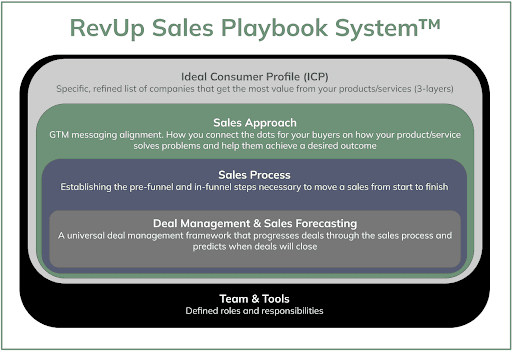
1. Understanding Your Ideal Customer
The foundation of any effective sales playbook begins with understanding who your true ideal customer is. This goes beyond surface-level metrics like company size or revenue and dives deep into **their behaviors and operations**. Knowing your audience helps you tailor your approach to resonate with their specific needs.
2. Crafting Your Sales Approach
Once you’ve defined your ideal customer profile, the next step is to design your sales approach. This means determining how you’ll engage with these prospects:
What key message do you want them to hear?
What core business problems do you solve for them?
How will you connect the dots on how your product or solution is going to specifically address their pain and problems? Or how will it help them achieve their goals?
What information do you need to know about their current environment?
A well-structured sales approach will not only set the tone for your conversations but also enhance the overall customer experience.
3. Simplify the Sales Process
Inevitably, each sale requires a precise process to advance a deal forward. Your sales process should align closely to your buyer's buying journey. By structuring internal steps that mirror your customer's expectations, you can ensure smoother transitions throughout the sales cycle.
4. Implementing Objective Deal Management
The final piece of the playbook is an objective deal management “system”. Objective is the key word here. No assumptions about the buyer or why they should buy is allowed. This component serves dual purposes: it acts as a reliable forecasting tool while also functioning as a self-coaching system. According to our experience, "a sales playbook is really detailed. It needs to be a system that's both flexible, informative, and can grow and improve over time." This means empowering your sales team with insights on what’s needed to close deals successfully.
Conclusion
Developing a comprehensive sales playbook requires diligence and thoughtful planning. It must embody the four essential elements: understanding your ideal customer, crafting a relevant sales approach, streamlining the sales process, and implementing an effective deal management system. By doing so, you empower your sales team to make informed decisions and, ultimately, drive consistent and scalable results across your organization.